Tissue Fabric
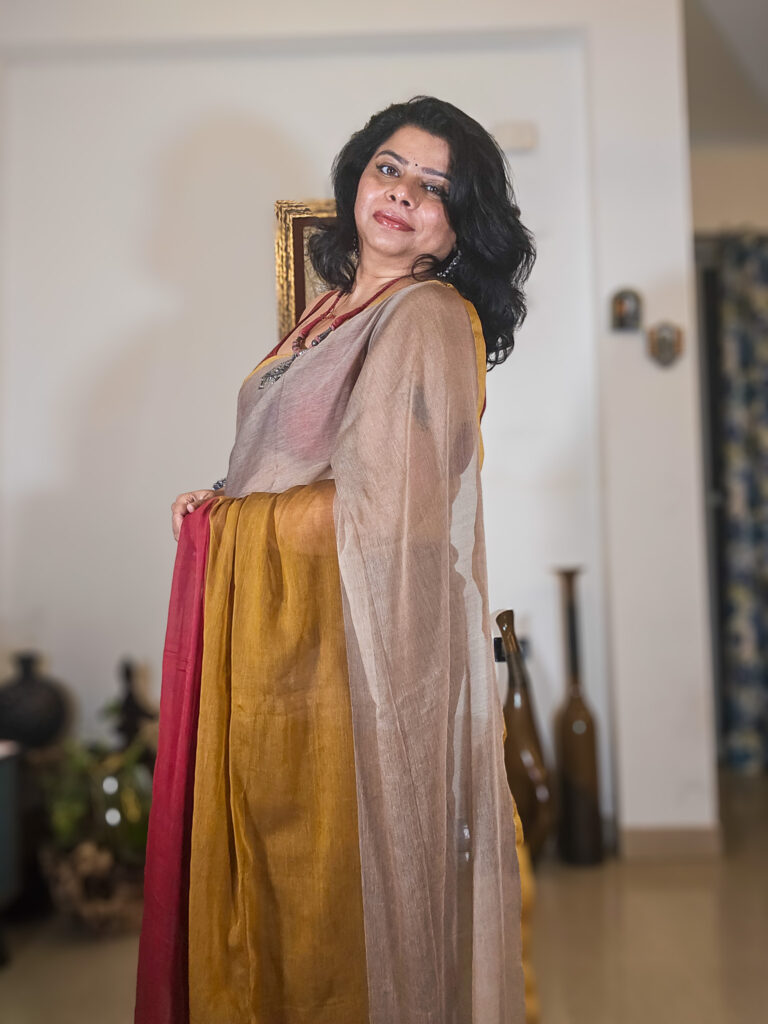
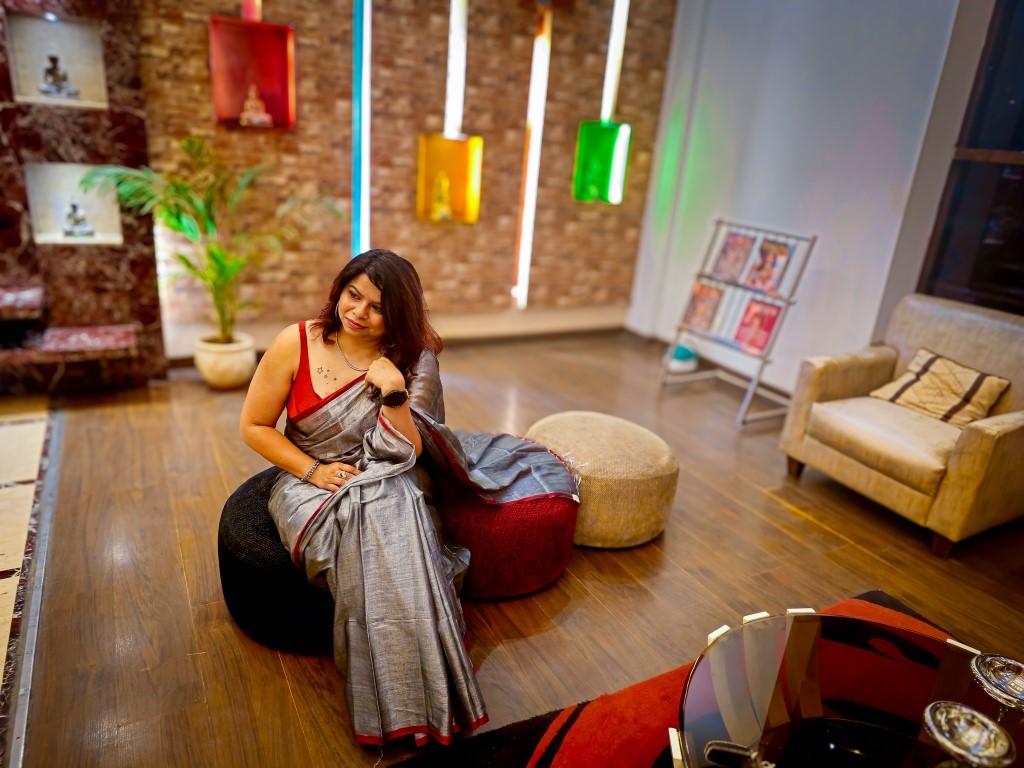
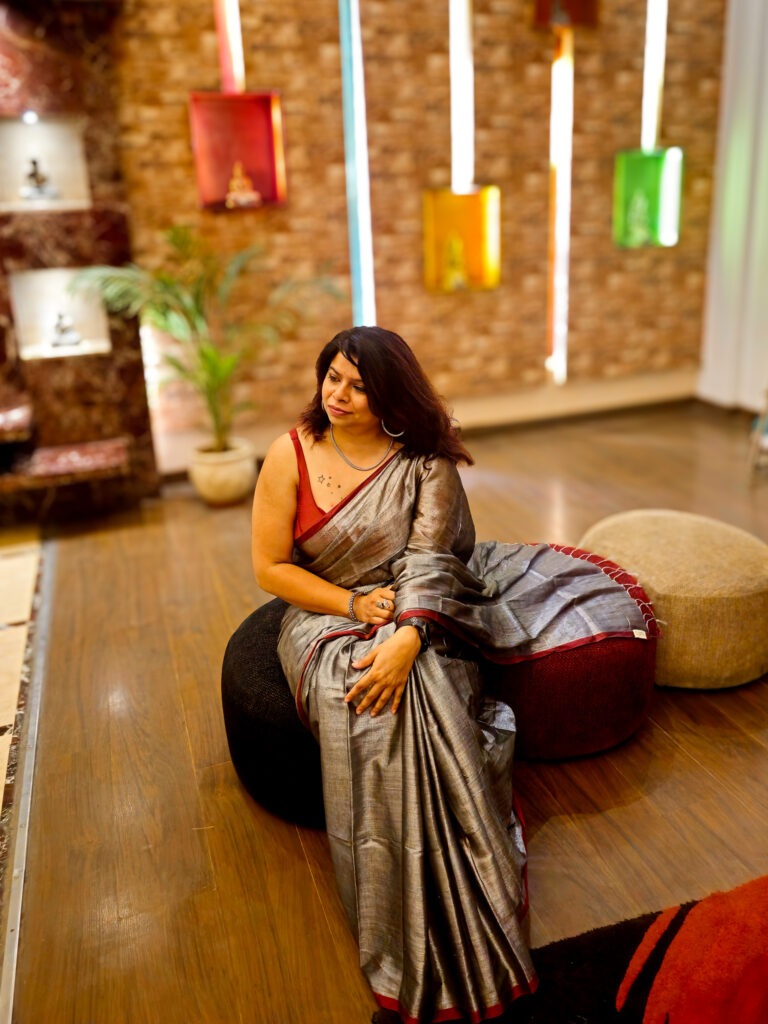
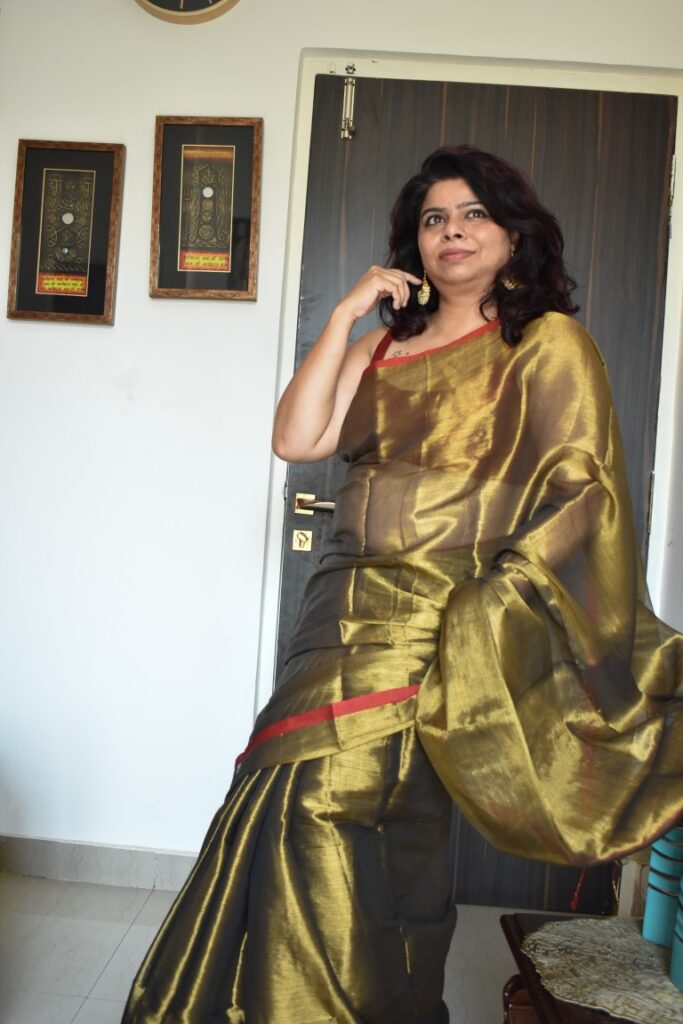
Tissue fabric is a luxurious and lightweight textile known for its shimmering appearance and delicate texture. Traditionally associated with Indian textiles, tissue fabric is often crafted from a blend of silk and metallic threads, making it a favorite for festive and ceremonial wear.
1. Key Characteristics
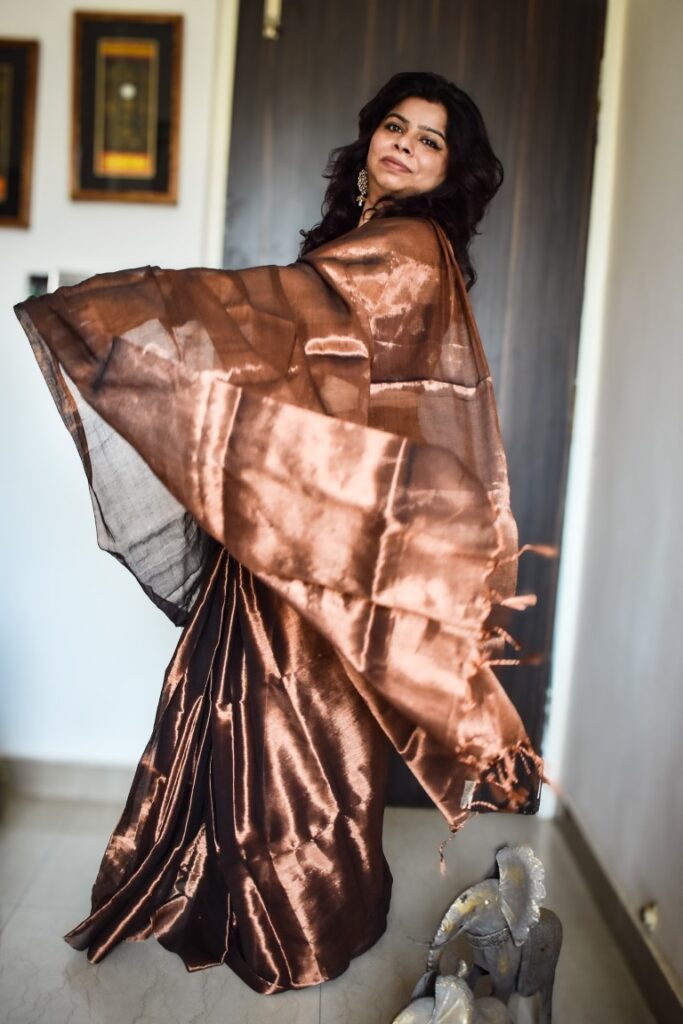
- Shimmering Texture: Tissue fabric often incorporates metallic threads, creating a lustrous, shiny surface.
- Lightweight: Despite its opulent look, the fabric is extremely light, adding to its elegance.
- Delicate Feel: Tissue fabric has a smooth and soft texture, though it can be slightly stiff depending on the weave.
- Sheer Quality: In many cases, tissue fabric is semi-transparent, giving it an ethereal and sophisticated appearance.
2. Composition and Weaving
- Base Material: Tissue fabric is traditionally made using silk as the base, although modern versions may incorporate synthetic fibers for cost-effectiveness.
- Metallic Threads: Gold or silver metallic threads (zari) are intricately woven into the fabric, enhancing its aesthetic appeal.
- Weaving Technique: A fine weave is used to interlace silk or synthetic threads with metallic yarns, resulting in a fabric that glimmers when it catches the light.
3. Applications
- Clothing:
- Tissue sarees are a hallmark of Indian traditional wear, often worn at weddings and festive occasions.
- The fabric is also used in designing lehengas, dupattas, and evening gowns.
- Accessories: Tissue fabric is commonly used to make scarves and stoles due to its lightweight and decorative properties.
- Home Décor: In upscale interiors, tissue fabric can be used for curtains, cushion covers, and table runners to add a touch of luxury.
4. Care and Maintenance
- Handling: Tissue fabric is delicate and prone to tearing, so it must be handled with care.
- Washing: It is best cleaned through dry cleaning to preserve its sheen and prevent damage to metallic threads.
- Storage: Store tissue fabric in a cool, dry place, preferably wrapped in soft muslin cloth to prevent snags and discoloration.
- Ironing: Use low heat and iron on the reverse side or place a cloth between the iron and fabric to avoid damage.
5. Advantages
- Aesthetic Appeal: Its shimmering surface makes it ideal for formal and celebratory use.
- Versatility: Can be styled in various ways, from traditional to modern.
- Lightweight Nature: Comfortable to wear despite its rich appearance.
6. Limitations
- Fragility: The fabric is delicate and not suitable for everyday use.
- High Maintenance: Requires careful cleaning and storage to maintain its beauty.
- Cost: Authentic tissue fabrics with real zari can be expensive.
Conclusion
Tissue fabric is synonymous with elegance and opulence, making it a sought-after choice for special occasions. Its combination of metallic threads and fine weaving techniques gives it a unique, shimmering appearance that stands out in any ensemble or décor.