

Handloom Fabric Care
Handloom fabric is delicate and requires special care to maintain its beauty, texture, and longevity. Here are some general care instructions:
1. Washing
- Hand wash: Always prefer hand washing handloom fabrics in cold or lukewarm water to avoid damage. Use mild detergent or natural soaps that are free from harsh chemicals.
- Do not machine wash: Machine washing can be too rough on handloom fabric, especially if it’s delicate like cotton or silk.
- Avoid soaking: Do not soak handloom fabrics for too long as it can cause color bleeding or weaken the fibers.
- Gentle wringing: If wringing is necessary, do it gently to avoid stretching the fabric.
2. Drying
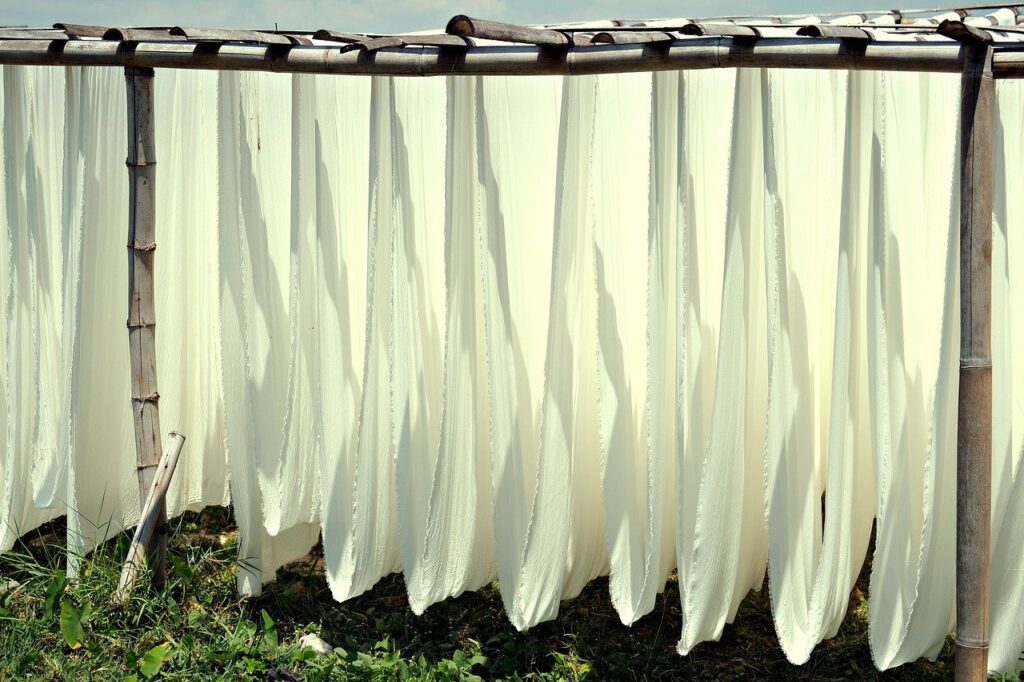
- Dry in shade: Always dry handloom fabrics in the shade to prevent fading and damage from direct sunlight.
- Avoid tumble drying: High heat from dryers can shrink or damage the fabric. Air drying is best.
- Flat drying: If possible, lay the fabric flat to dry to avoid distortion, especially with wool or silk.
3. Ironing
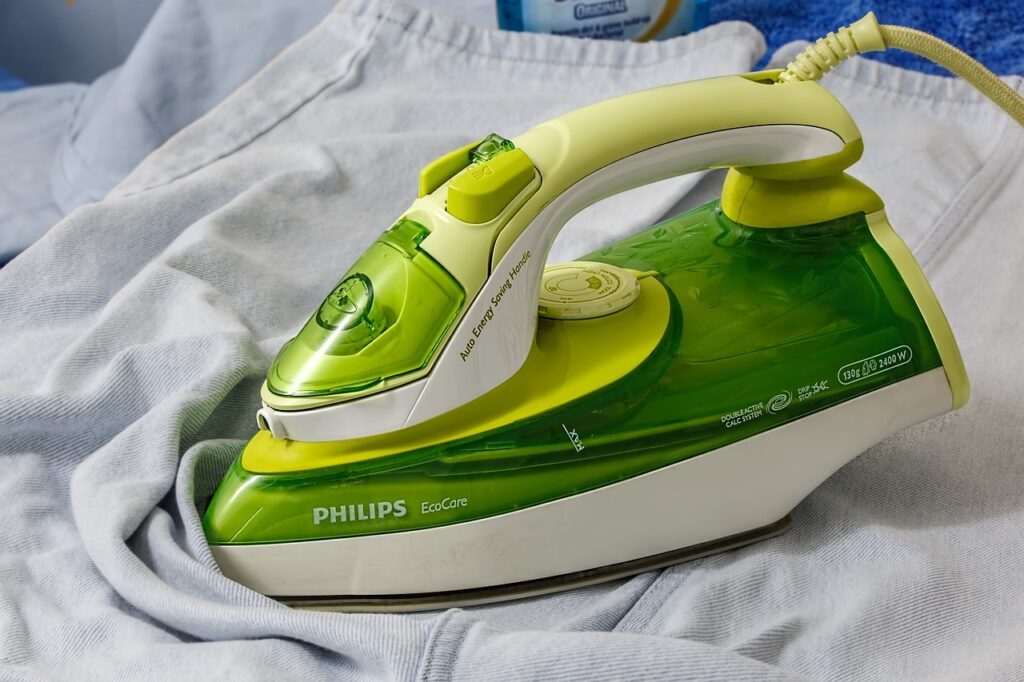
- Low heat: Use a low-temperature setting when ironing handloom fabrics. You can also place a thin cloth over the fabric to protect it from direct heat.
- Steam iron: For cotton or linen handloom fabrics, a steam iron can help remove wrinkles more effectively.
4. Storing
- Store in a cool, dry place: Handloom fabrics should be stored in a dry area to avoid mildew. Avoid plastic covers; instead, use cotton cloth or muslin bags for storage.
- Folding: Fold the fabric neatly instead of hanging it for long periods, as hanging can cause the fabric to stretch.
- Airing: Occasionally air the fabric out to prevent any dampness from building up.
5. Handling
- Avoid harsh chemicals: Do not use bleach or harsh stain removers on handloom fabric, as these can cause discoloration and damage.
- Delicate handling: Always handle handloom fabrics with care, especially if they are handwoven or embroidered. Rough handling can cause wear and tear.
These tips can help maintain the texture, color, and structure of handloom fabric for years. Specific care instructions may vary depending on the material (cotton, silk, wool, etc.), so it’s always a good idea to check any label or manufacturer guidelines if available.