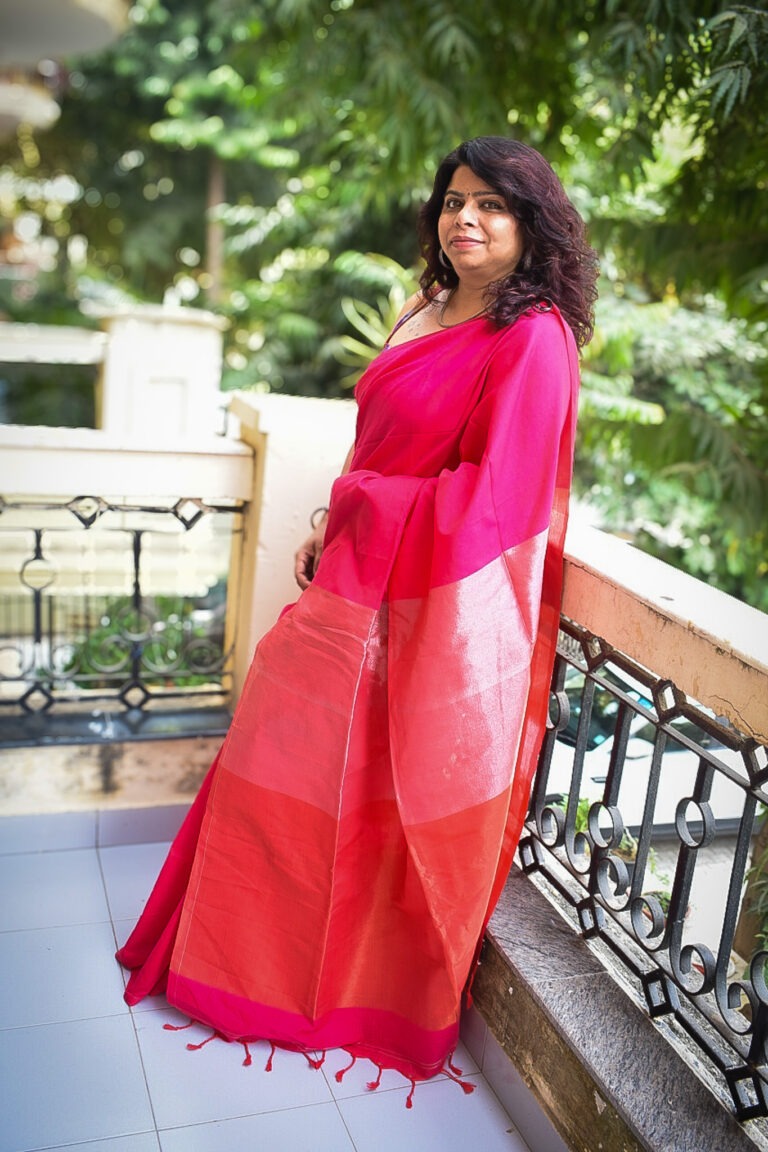
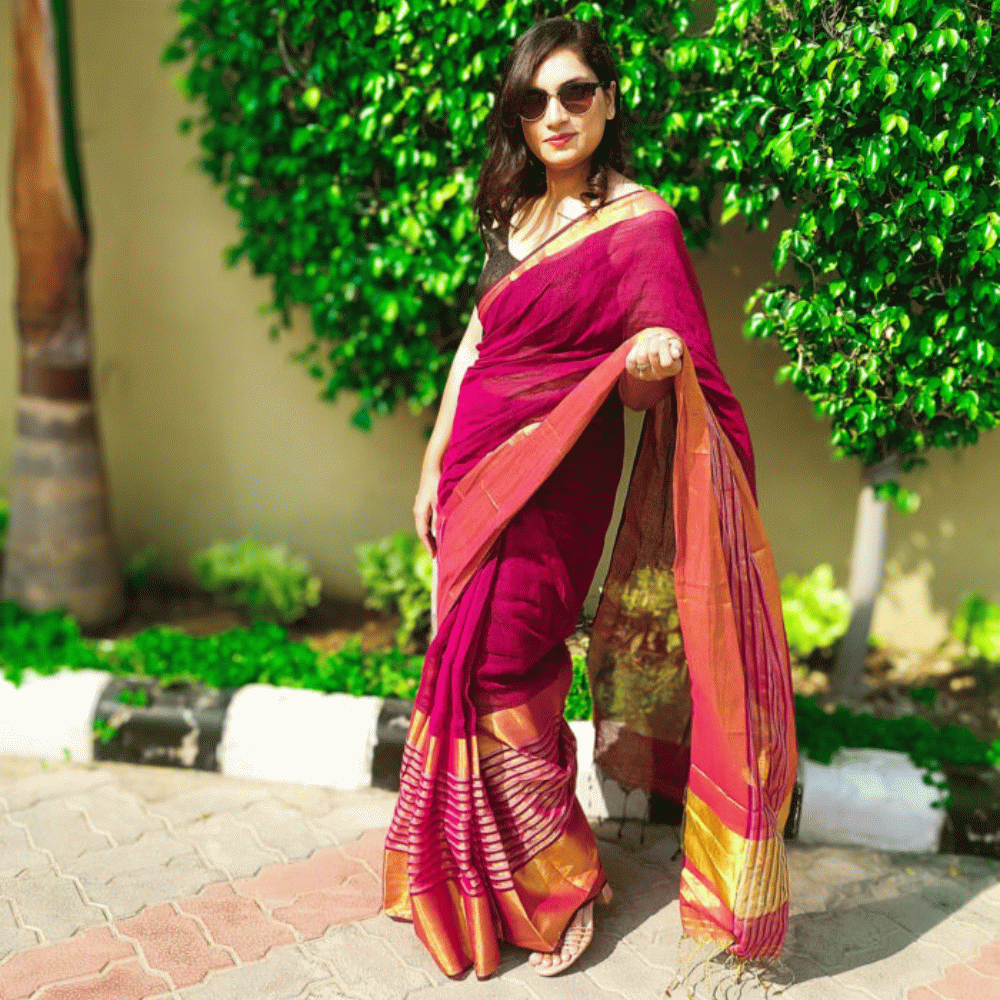
Caring for Mul & Khadi Sarees: A Gentle Guide to Keeping Handloom Alive
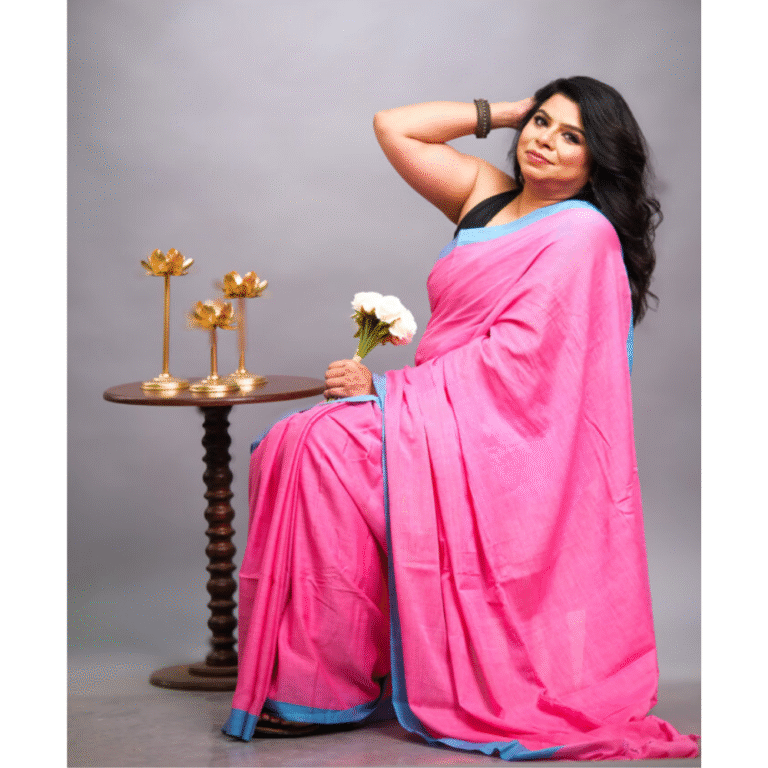
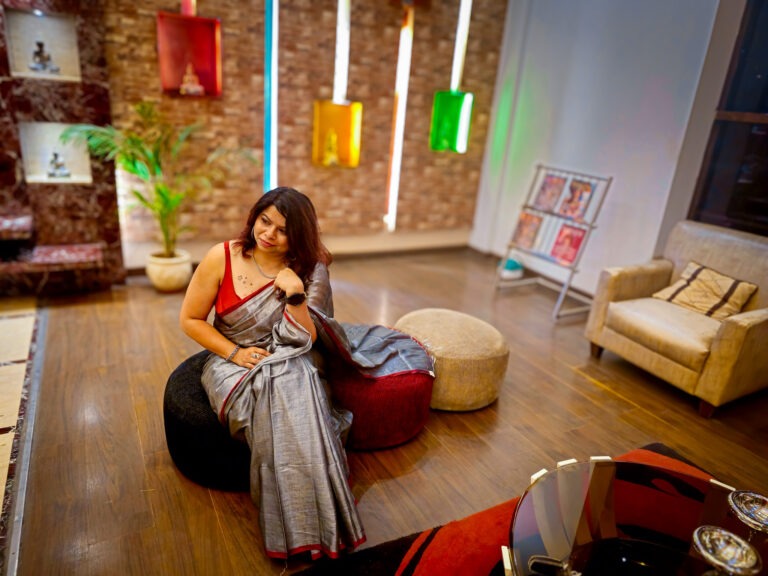
A handloom saree is not just a garment; it is a companion. It carries the touch of the artisan, the patience of the loom, and the grace of the woman who wears it. When you bring home a mul cotton saree or a khadi saree, you are welcoming a piece of living craft — something that breathes, adapts, and ages beautifully over time.
At Mznari, we believe that caring for your sarees is not a chore.
It is an act of love, a quiet ritual that keeps heritage alive.
This guide is a gentle invitation to slow down, to become mindful, and to understand the fabric that wraps around you like memory.
Understanding the Fabric: The Soul Comes First
Mul cotton and khadi cotton are natural fabrics — woven from fibers that once grew with sunlight and soil. Unlike synthetic materials, they are alive. They respond to touch, weather, and time.
- Mul Cotton is airy, soft, and delicate. It drapes easily and feels like a second skin.
- Khadi Cotton holds texture and strength. The more you wear it, the softer and more personal it becomes.
- Khadi Silk carries both dignity and fluidity — elegance that moves with grace.
Because these fabrics are natural, they deserve natural care — slow, thoughtful, and gentle.
Washing: Let Water Hold the Saree Softly
The first wash is always the most important.
For Mul Cotton Sarees
- Always hand-wash.
- Use cold water only.
- Choose a mild liquid detergent or even baby shampoo.
- Do not soak for long — 3–5 minutes is enough.
- Swish — don’t rub or twist.
Mul cotton loves simplicity. When washed gently, it stays soft forever.
For Khadi Cotton & Khadi Silk Sarees
- Hand-wash separately the first few times.
- Avoid harsh detergent.
- Do not wring — press the water out softly.
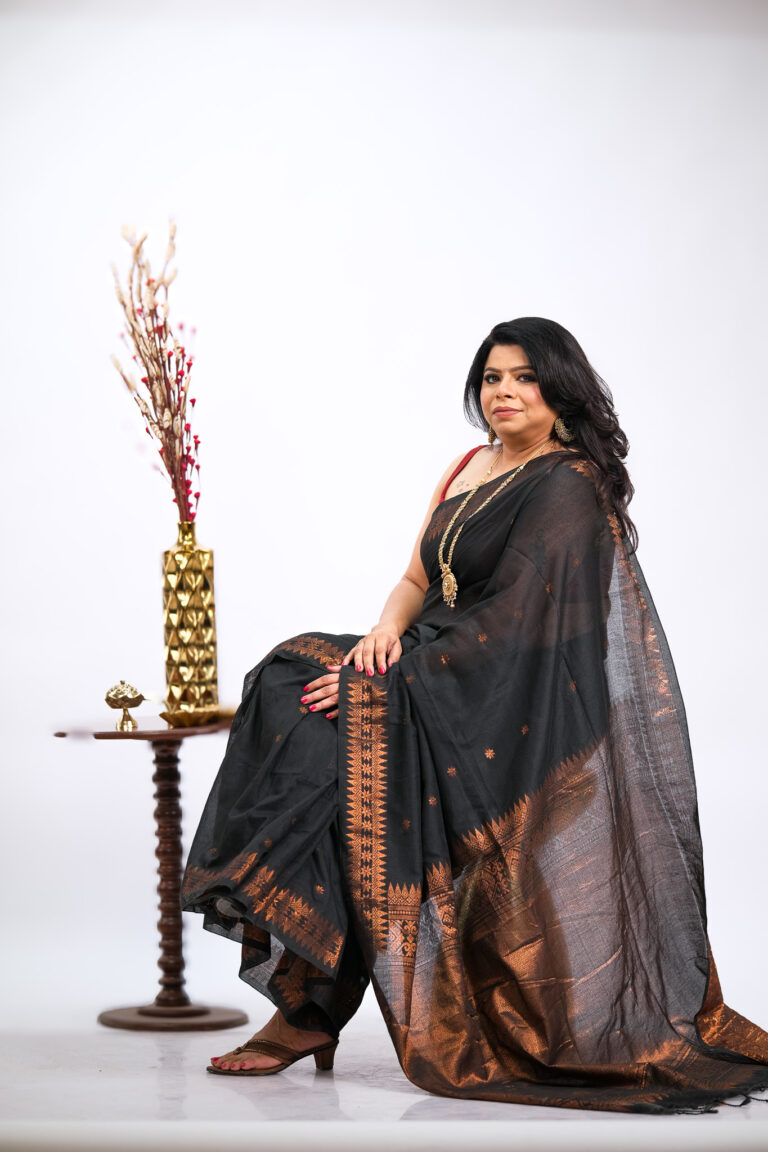
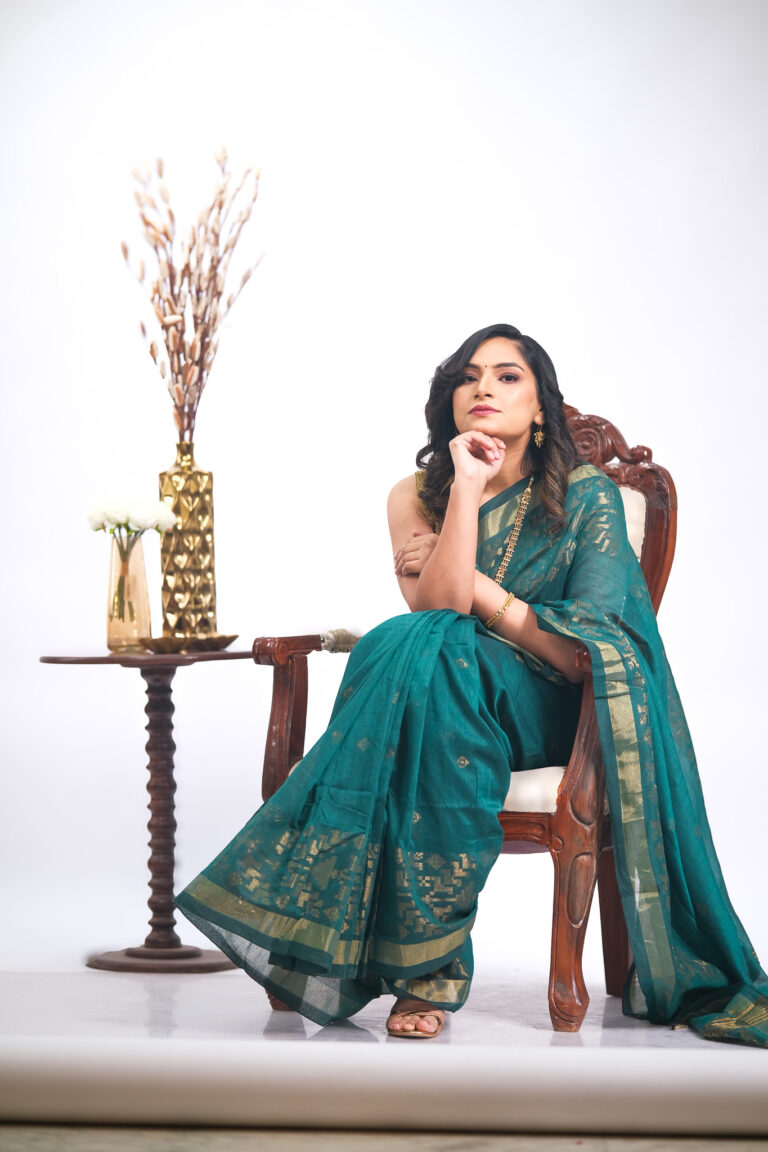
- For sarees with zari borders, dry cleaning is the safest practice to protect the shine and shape.
Think of washing as bathing the saree — calm, slow, and respectful.
Drying: Let the Sun Kiss, Not Burn
Drying is where many sarees lose their charm — but only when rushed.
- Always dry in shade, never in direct sunlight.
- Hang the saree on a padded hanger or fold it over a line to avoid stretch marks.
- Avoid squeezing the fabric harshly.
Natural dyes, especially those in a Bagru printed mul cotton saree, mature with soft sunlight, not harsh exposure.
Give your saree time to breathe — and it will thank you with long-lasting color.
Ironing: The Final Touch of Grace
A saree comes alive when it is pressed well.
- Use a medium-low temperature setting.
- For mul cotton, iron while slightly damp to achieve a beautiful fall.
- For khadi silk, place a thin muslin cloth between the saree and the iron.
Ironing is not just pressing folds — it is shaping elegance.
Storing: How a Saree Sleeps Matters Too
The way a saree rests determines how it wakes.
- Fold neatly; avoid tight creases.
- Store in a cotton or mul cloth bag, not plastic.
- Add a few neem leaves or pure lavender to keep freshness (avoid naphthalene balls; they are too harsh).
- For sarees with zari borders, refold every few months so the zari does not cut the fabric.
Your wardrobe should feel like a quiet sanctuary — a place where sarees can breathe.
Why This Care Matters
In caring for a handloom saree, you are not preserving just a textile.
You are preserving:
- A lineage of artisans
- A story of slow craft
- A relationship between you and your clothing
- A cultural memory passed from one woman to another
When your daughter, niece, or sister opens your wardrobe one day and finds a saree that is still soft, still graceful, still alive — she will not just inherit fabric.
She will inherit a story.
And stories deserve to be held gently.
Wear It Your Way. Own Your Story. Be Mznari.
At www.mznari.in, every saree comes with emotion — the softness of mul, the dignity of khadi, the artistry of Bagru, the whisper of zari finishing.
We create drapes meant to be lived in, loved, and remembered.
Caring for them is simply continuing the love.
Because a saree is never just worn.
It is carried.
It is felt.
It is remembered.
Be soft. Be mindful. Be Mznari.
FAQs:-
Q1. Do mul cotton sarees need to be dry cleaned?
No. Mul cotton sarees can be gently hand-washed at home in cold water using mild detergent or baby shampoo. Dry cleaning is only needed if the saree has zari or special embellishments.
Q2. Can I machine-wash my khadi saree?
Machine-washing is not recommended for khadi sarees, especially in the early wash cycles. Handwash gently for best texture and longevity. Over time, khadi softens beautifully with gentle care.
Q3. Why should sarees be dried in shade instead of direct sunlight?
Direct sunlight can lighten natural dyes and weaken fibers. Shade drying ensures the fabric retains its depth of color and strength while drying slowly and safely.
Q4. How do I keep my mul cotton saree soft after washing?
Wash with mild detergent, avoid long soaking, and let the saree air-dry naturally. Mul becomes softer with each wash if handled gently.
Q5. How should I iron a khadi silk saree?
Use a medium to low heat setting and place a thin cotton cloth over the saree while ironing. This protects both the silk fibers and zari details (if present) from direct heat.