From Dye to Drape: The Journey of Natural Colors in Handloom Sarees
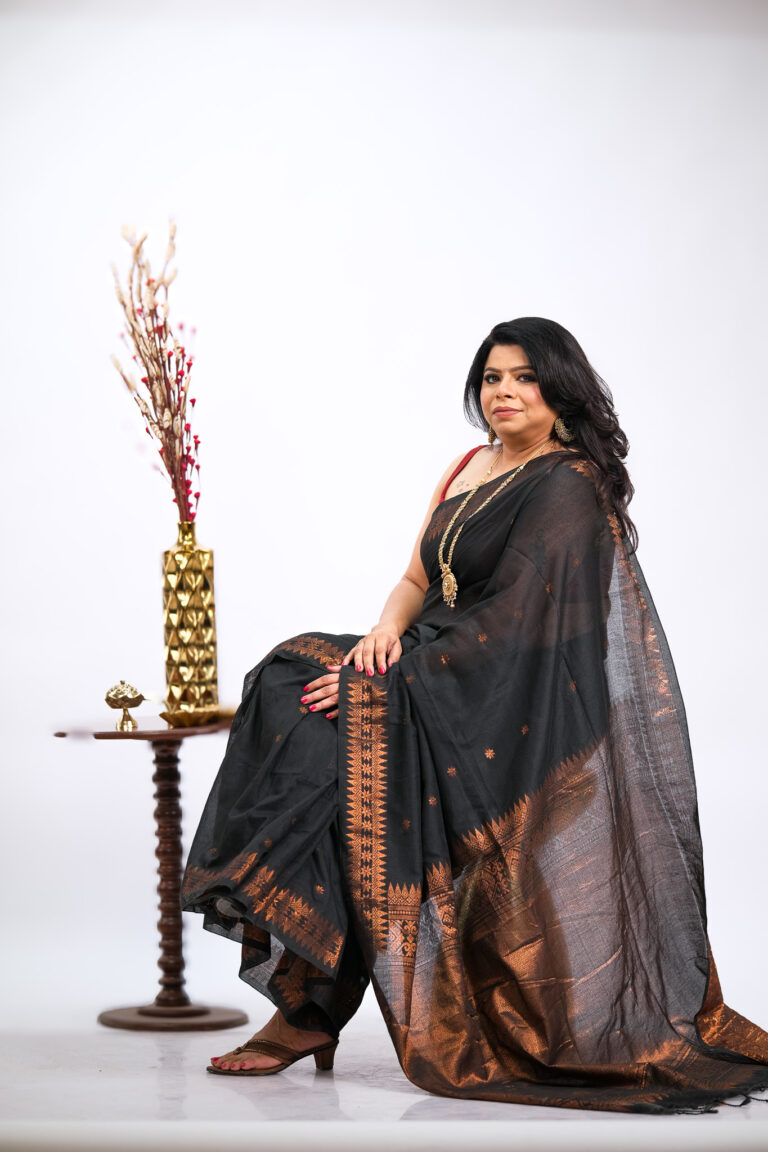
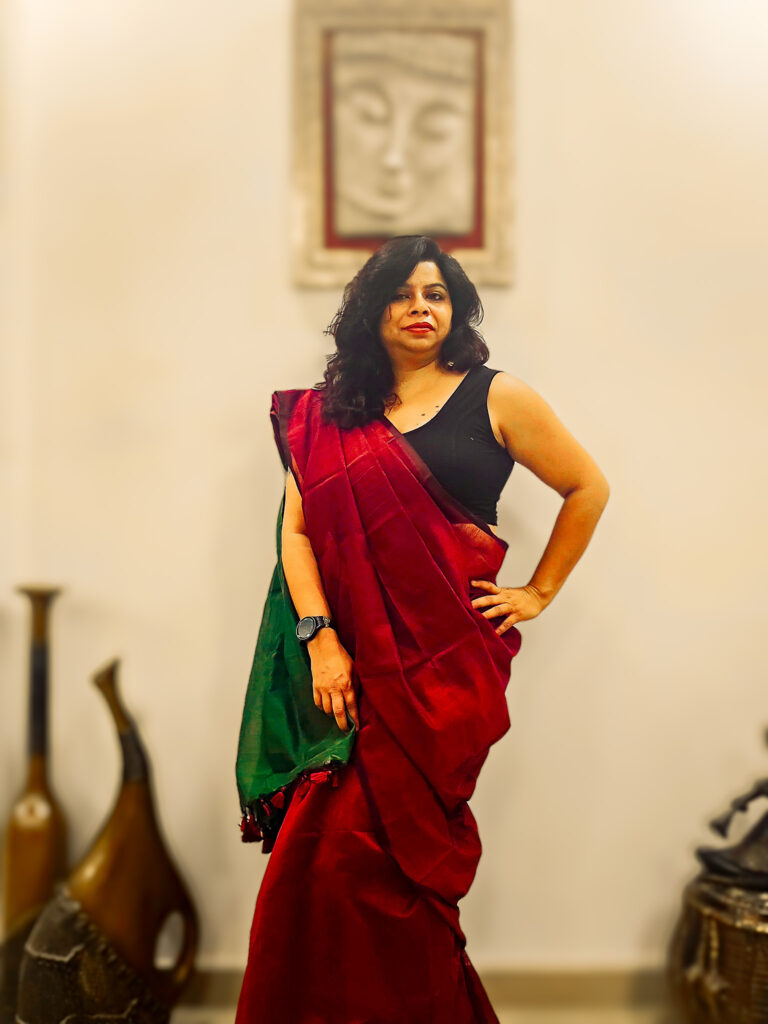
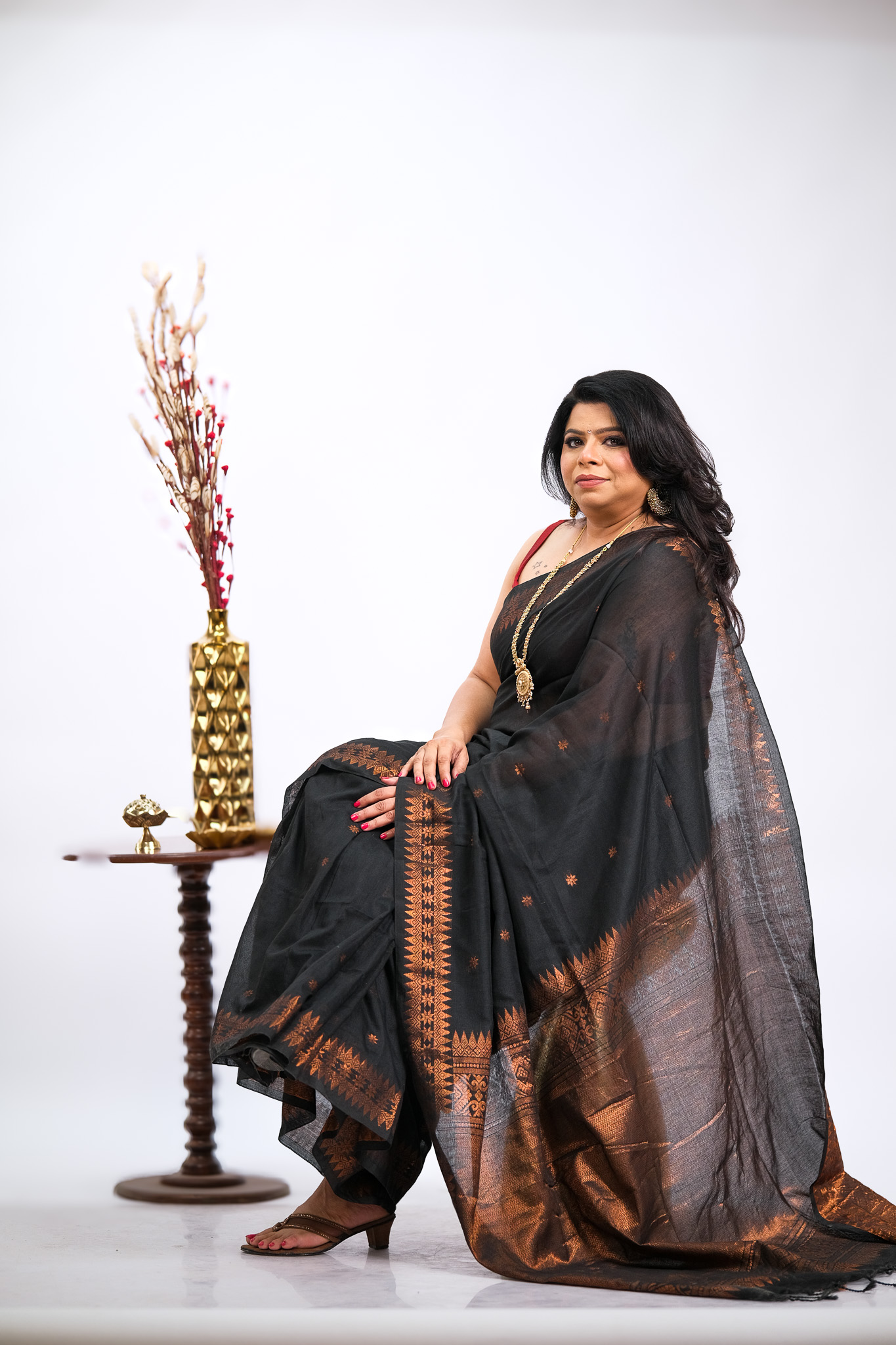
There is something magical about a handloom saree dyed with natural colors.
It does not just look beautiful — it feels alive.
The softness of the color, the slight variations, the earthy fragrance of natural dye, the way the fabric ages gracefully… Every inch tells a story.
At Mznari, natural colors are not a trend — they are an homage to India’s ancient dyeing heritage. Every shade is created with elements from the earth, every tone whispered into fabric through patient hands, every hue holding the memory of soil, leaves, flowers, and minerals.
This is not just about color.
This is about culture.
About craft.
About the journey from dye to drape.
Let’s walk through this journey, slowly and beautifully.
1. Where It Begins: The Roots of Natural Dye
Before a saree becomes colorful, the story begins in nature.
Artisans gather:
- Indigo leaves for deep blues
- Pomegranate rinds for warm yellows
- Turmeric roots for golden tones
- Madder and manjistha for reds and brick hues
- Marigold petals for glowing mustards
- Neem leaves for earthy greens
- Iron water for blacks and syahis
These dyes carry the scent and spirit of nature.
They are not manufactured — they are born.
Natural dyeing is chemistry + tradition.
The recipes used today date back hundreds of years, passed through families like heirlooms.
2. Preparing the Fabric: Saree as a Blank Canvas
Before color touches cloth, the saree must be prepared — just like a canvas before painting.
Artisans wash the mul cotton or khadi saree to:
- remove stiffness
- clear impurities
- open fibers for better dye absorption
This ensures that the saree drinks the natural dye deeply, giving long-lasting colour with a soft finish.
Mul cotton absorbs dyes like poetry.
Khadi holds dyes with character and texture.
This is why natural colors look more soulful on handloom fabrics than on powerloom ones.
3. Creating the Dye: A Slow & Sacred Process
Natural dye-making is ritualistic.
Every color requires a different recipe, different timing, different temperature, and different ingredients.
For example:
- Indigo vats must ferment for days before they are ready.
- Turmeric dye needs to be cooked just right or it becomes too pale.
- Madder dye requires slow boiling to release the perfect reddish tone.
- Iron water (used for creating deep blacks and greys) must sit for hours to develop richness.
Natural dyeing does not allow shortcuts.
It demands patience.
This slow, careful process is what makes each saree one-of-a-kind.
4. Dyeing the Saree: Color Meets Craft
Here is where the magic happens.
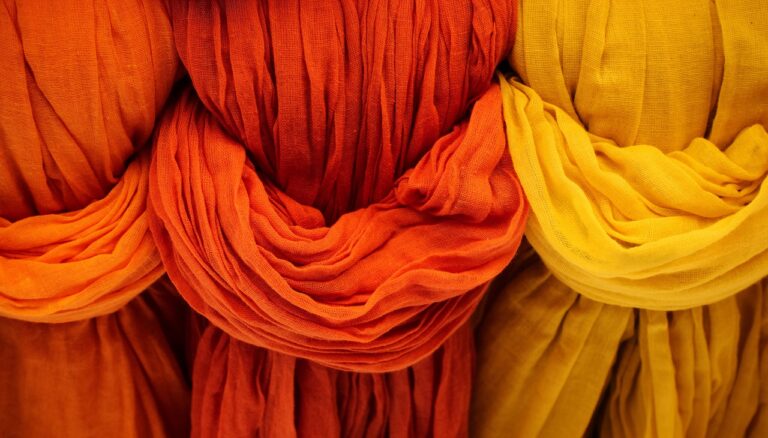
The saree is dipped — again and again — into the dye vat.
With every dip:
- the color deepens
- the fabric absorbs more pigment
- the saree grows more vibrant
Some shades take one dip.
Some shades take eight.
Some sarees are dyed in stages — yellow first, then iron water, to create beautiful greens.
Natural dyeing is not exact, which is why:
- no two sarees look identical
- every shade has slight variations
- each piece has its own personality
This is a living color — imperfect, organic, soulful.
5. Sun-Drying: The Saree Breathes Under the Sky
After dyeing, the saree is taken out to dry under open skies.
Sunlight does not just dry —
It sets the color, brightens the hue, and gives warmth to the fabric.
A saree drying in the sun is one of the most poetic sights in handloom villages — rows of fabric dancing gently in the wind, glowing with new shades.
This step cannot be replicated indoors.
This is nature’s final blessing on the saree.
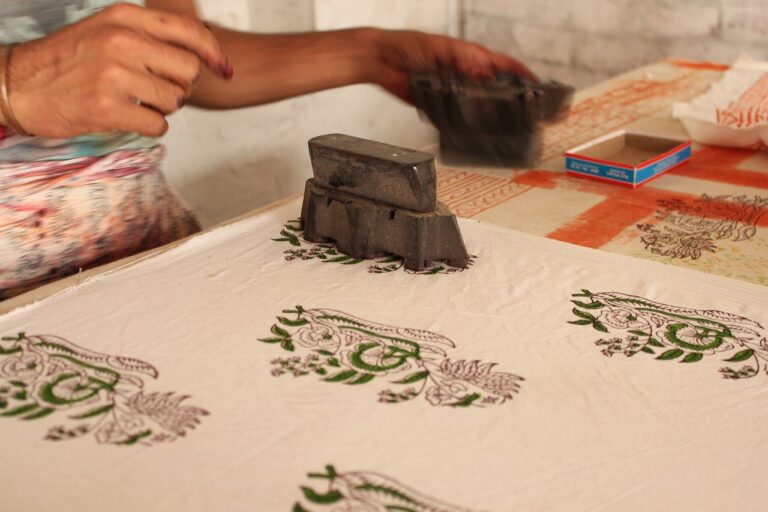
6. Block Printing Over Natural Dye
Some sarees receive block prints after dyeing — like Bagru printed mul cotton sarees.
Using wooden blocks and natural inks:
- floral motifs
- geometric designs
- ancient patterns
- folk symbols
are added to the saree.
This is the moment when simplicity transforms into beauty.
Each print is stamped by hand, each pattern carefully positioned — making the saree a work of art.
7. The Final Drape: Where Story Meets Style
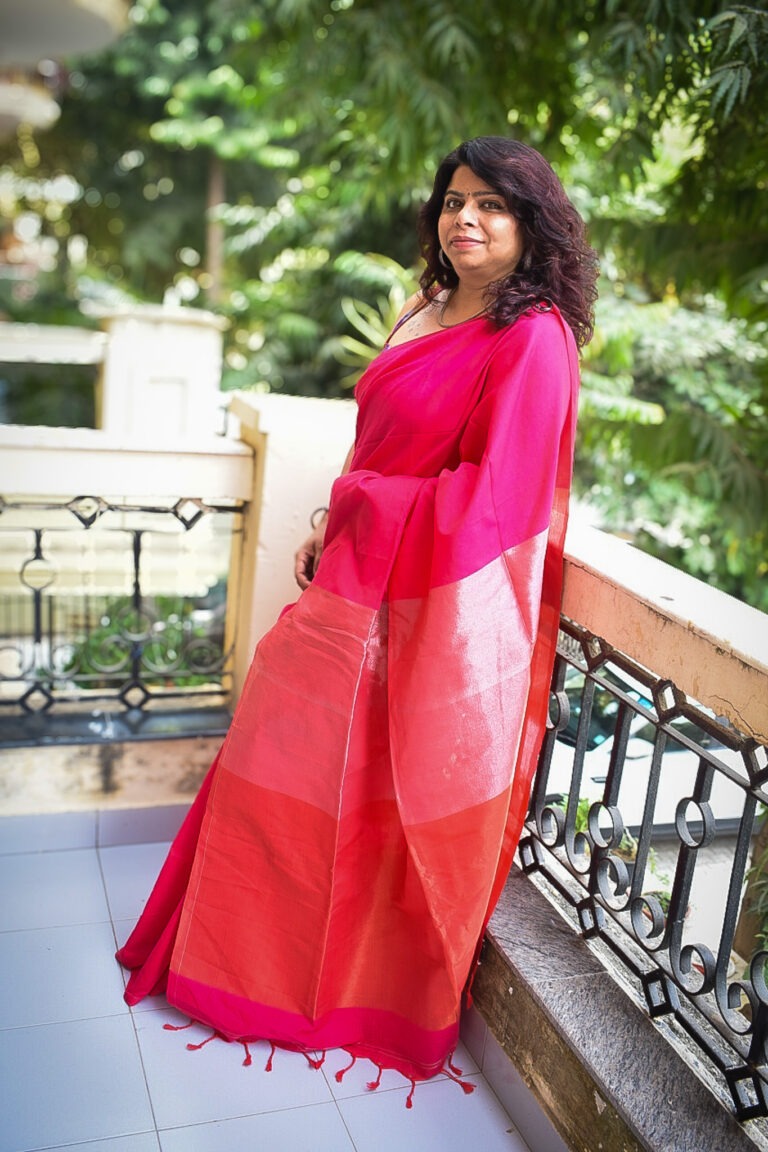
When you finally drape a naturally dyed handloom saree, you are wearing:
- earth
- sunlight
- minerals
- leaves
- roots
- flowers
- centuries of craft
- the hands of artisans
- the rhythm of tradition
This is why naturally dyed sarees feel different.
They carry energy.
They feel warm, grounding, and comforting.
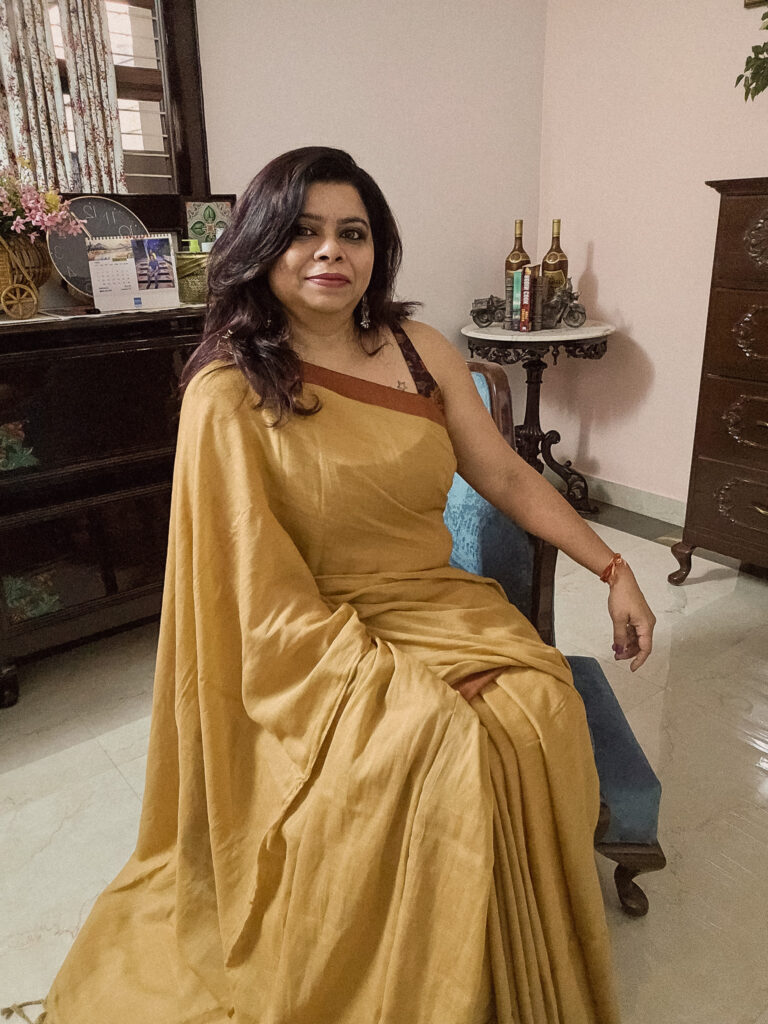
A naturally dyed mul cotton saree feels calm.
A naturally dyed khadi saree feels like strength.
Why Choose Naturally Dyed Sarees Today?
Because they are:
- eco-friendly
- skin-safe
- biodegradable
- non-toxic
- artisan-made
- culturally rooted
- timelessly beautiful
Fast fashion copies from nature.
Slow fashion honors nature.
At Mznari, natural colors are a promise — to the earth, to artisans, and to you.
FAQs:-
Q1. Are natural dyes skin-friendly?
Yes. Natural dyes are non-toxic, chemical-free, and safe even for sensitive skin.
Q2. Do natural dye sarees fade quickly?
Natural dyes mature gracefully. They may soften slightly over time but do not fade abruptly like chemical dyes.
Q3. How do I care for naturally dyed sarees?
Handwash gently in cold water, use mild detergents, and dry in shade to preserve the richness of the color.
Q4. Why do naturally dyed sarees have slight color variations?
Because natural dyeing is done by hand using organic ingredients — these variations add authenticity and beauty.
Q5. Are naturally dyed sarees eco-friendly?
Yes. They require less water, no harmful chemicals, and use plant-based or mineral-based dye sources.