What is Bagru Hand block printing?
Bagru hand block printing is a traditional form of textile printing that originates from the village of Bagru in Rajasthan, India by Chippa’s (A tribe involved in traditional block printing). It is characterised by its use of natural dyes and intricate patterns created using wooden blocks.
Here are some key aspects of Bagru hand block printing:
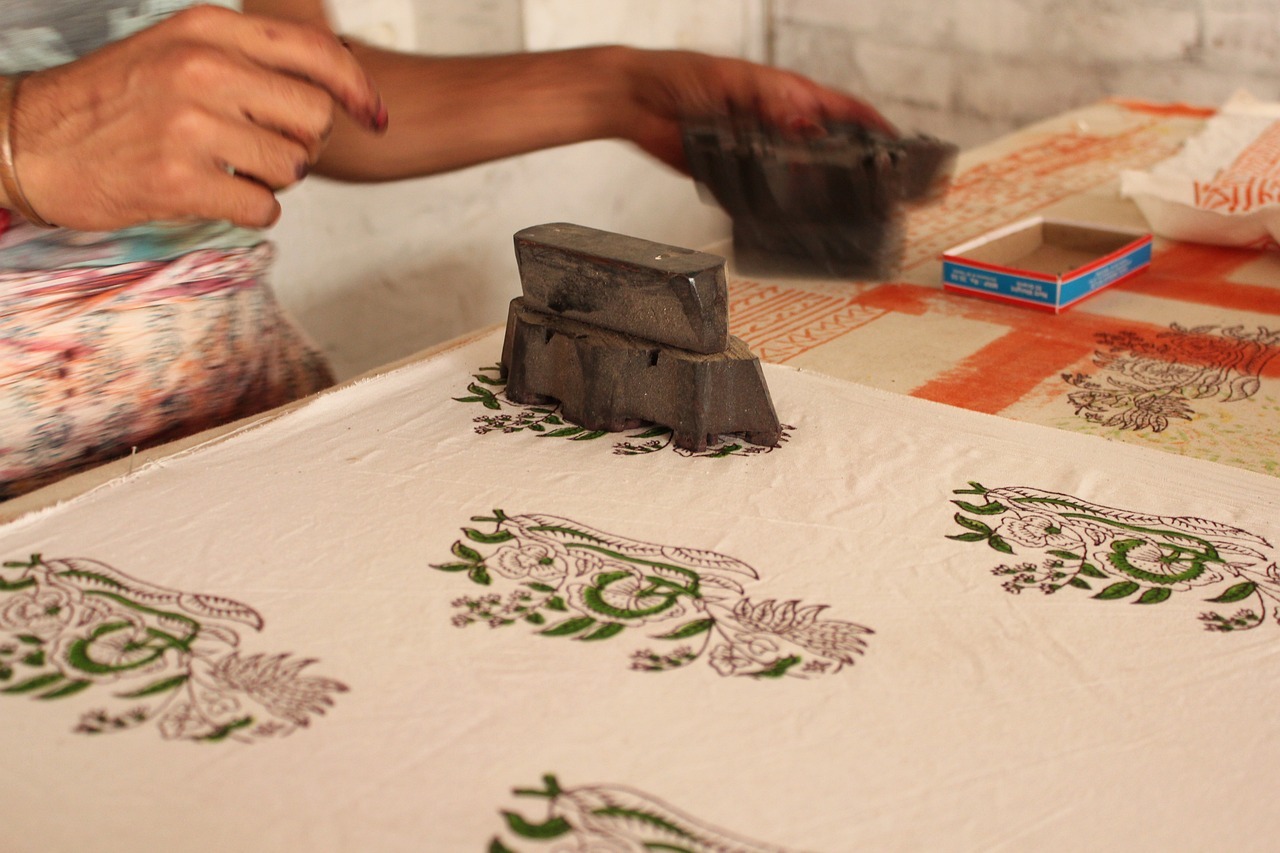
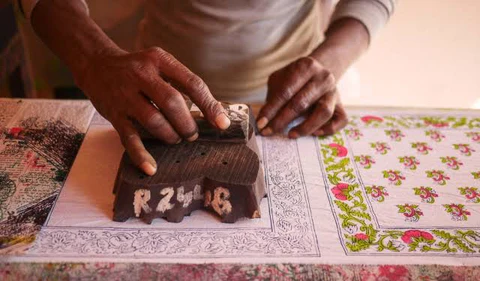
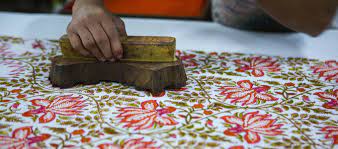
- Technique: Artisans use wooden blocks carved with intricate designs to apply natural dyes and pigments onto fabric. The blocks are dipped in dye and stamped onto the fabric by hand, creating repetitive patterns.
- Natural Dyes: Traditionally, Bagru printing uses natural dyes derived from plants, minerals, and other organic sources. Common colors include indigo (blue), red from madder root, yellow from turmeric, and black from iron rust.
- Patterns: The patterns in Bagru printing are often geometric or floral in nature. These designs are meticulously arranged and repeated across the fabric, creating a visually appealing motif.
- Process: The process involves several steps, including pre-treating the fabric, preparing the dyes, printing using the wooden blocks, and then washing and drying the fabric to set the colors.
- History and Culture: Bagru hand block printing has been practiced for centuries in Rajasthan, and it holds cultural significance in the region. It is a skill passed down through generations, with each artisan adding their unique touch to the craft.
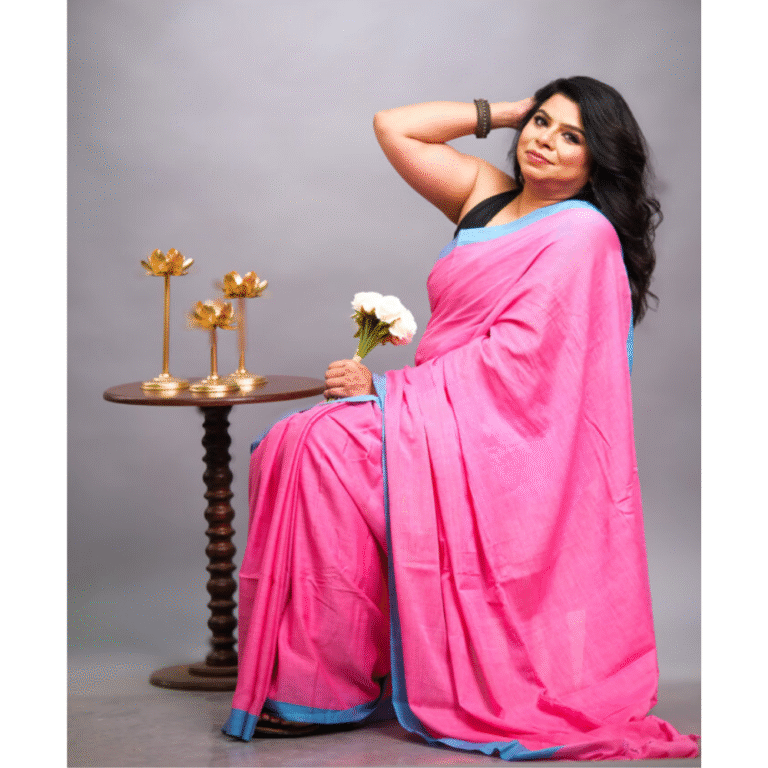
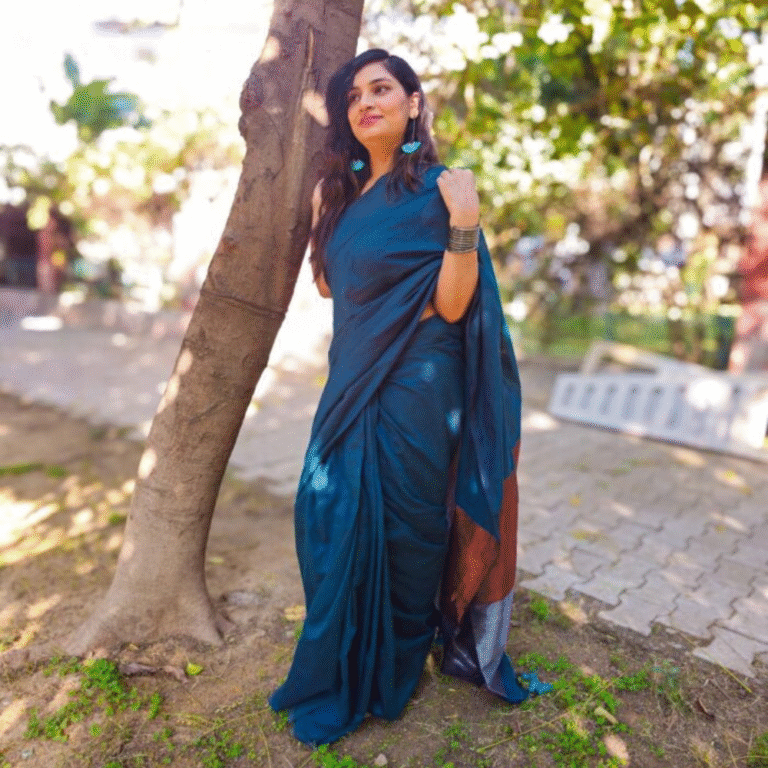
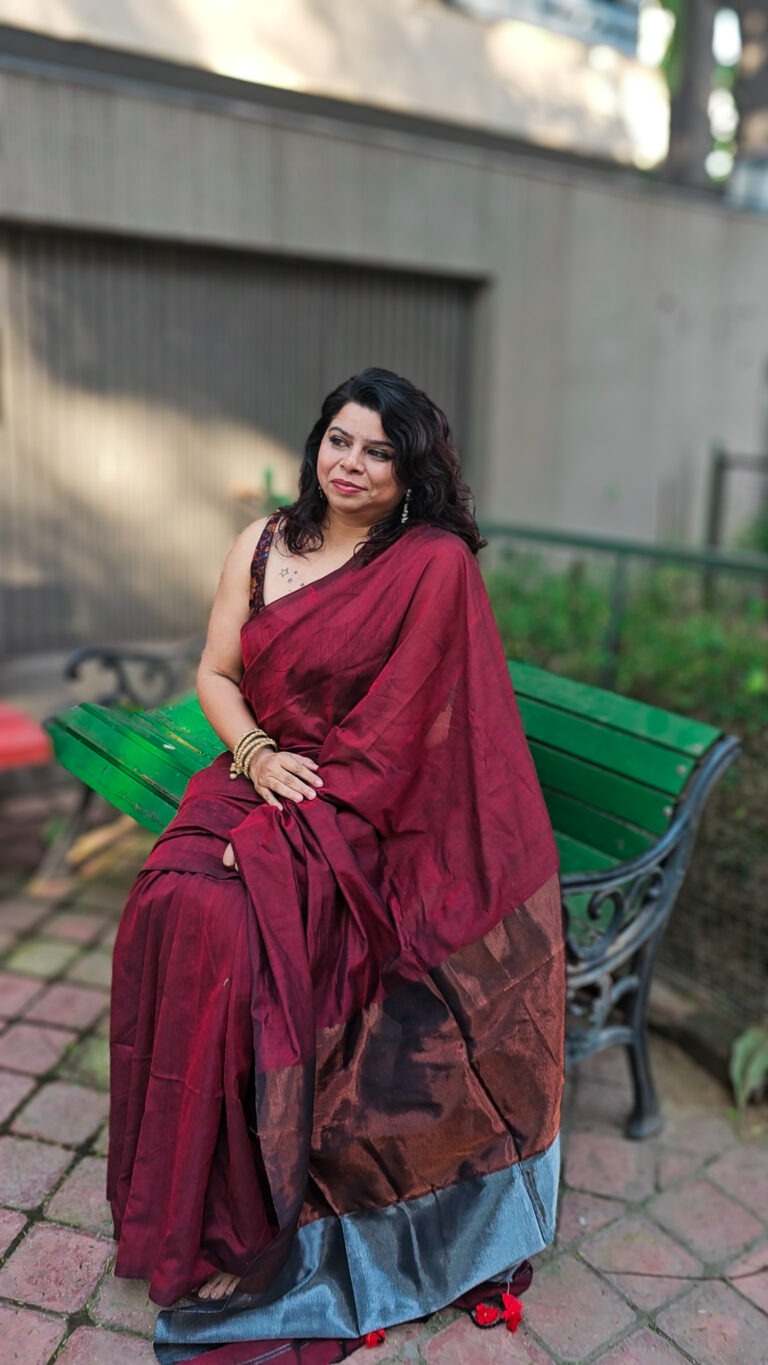
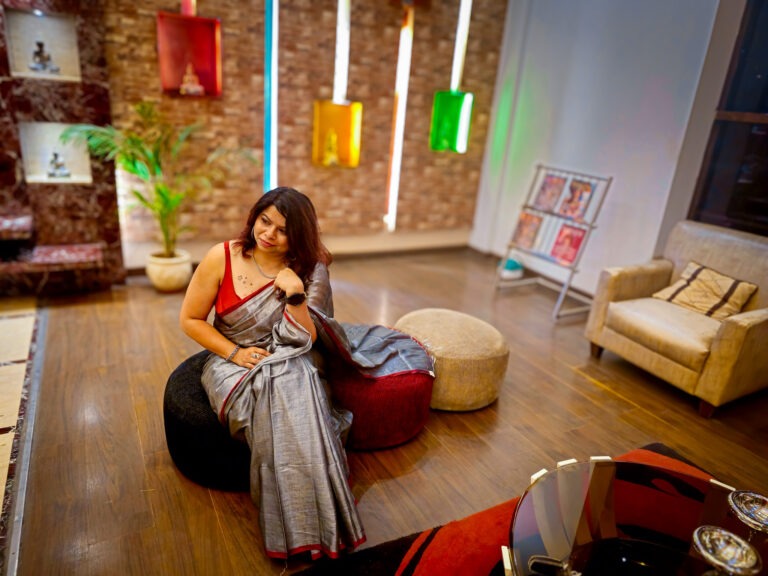
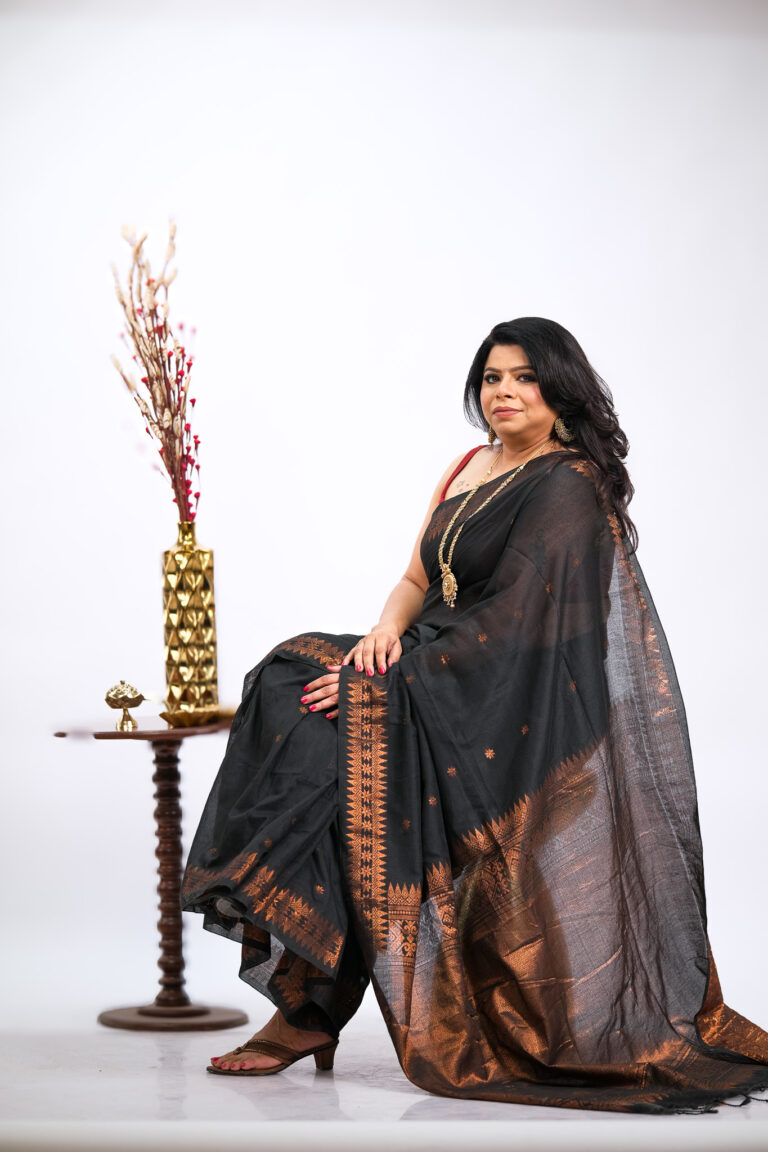
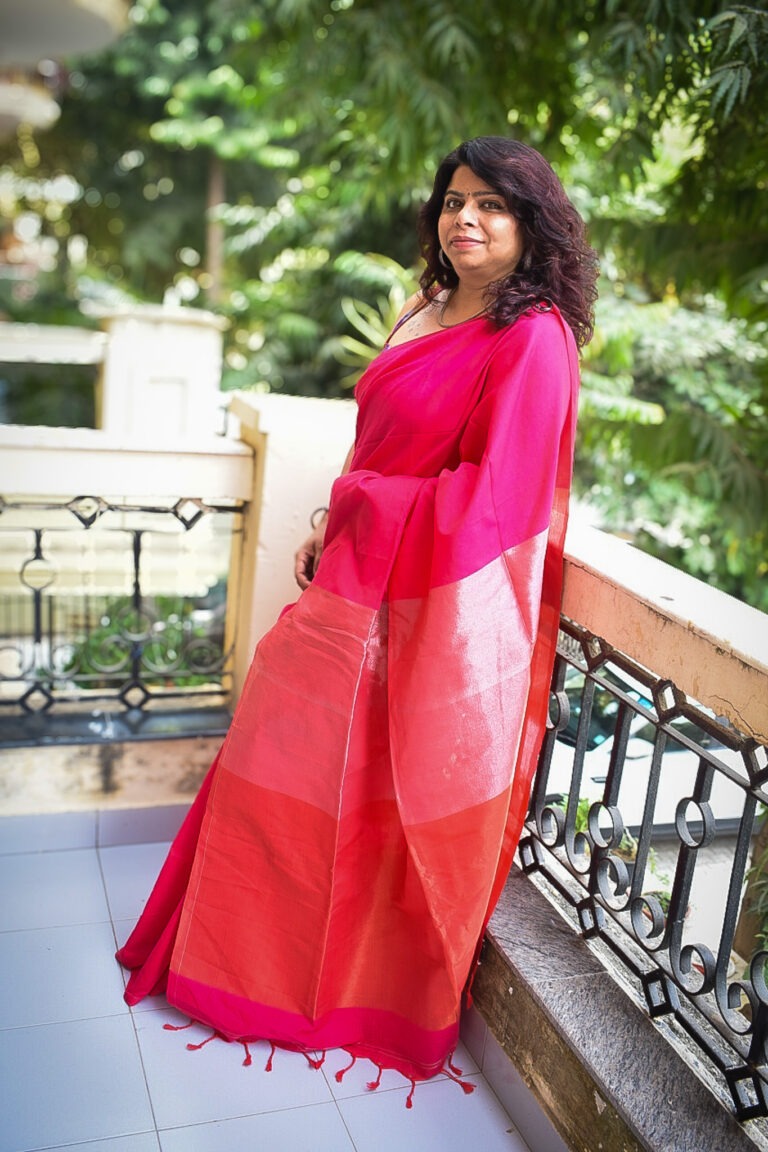
- Popularity and Use: Products of Bagru printing include sarees, salwar suits, dupattas, bed linens, and various home textiles. The craftsmanship and natural materials used make these products highly valued for their aesthetic appeal and eco-friendliness.
Overall, Bagru hand block printing represents a blend of traditional craftsmanship, cultural heritage, and sustainable practices, making it a cherished art form in the realm of textile design.